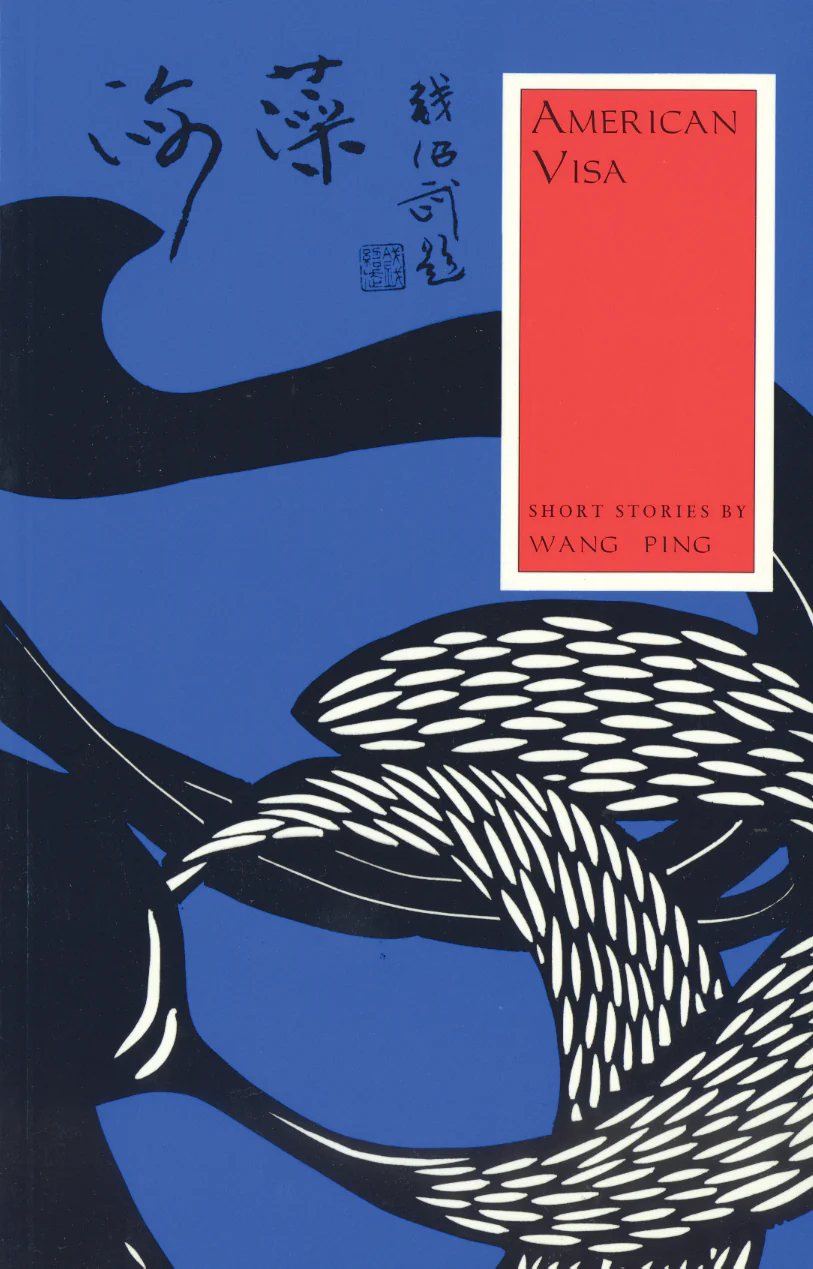
American Visa
Stories by Wang Ping
September 1, 1994 • 5.5 x 8.5 • 172 pages • 978-1-56689-025-0
Seaweed's story, from Maoist China to her New York emigration.
“In this first collection of 11 linked stories, the intimate drama of one traditional Chinese family plays against the larger backdrop of the Cultural Revolution. Wang’s determined, intelligent heroine, Seaweed, is the eldest daughter of a naval officer and a schoolteacher living near Shanghai. The family drudge at home, Seaweed’s hardships continue in a rural village where she undergoes ‘re-education’ by peasants as a prerequisite for college. Years later, after emigrating to New York, she tries to send for her sisters, to get them American visas. ‘The Story of Ju’ is a gripping, longer tale of how Seaweed’s promising student hangs herself rather than submit to a marriage arranged by her abusive stepfather. ‘Song of Four Seasons’ is a generous-spirited story of a mother and daughter revising their opinions of one another after many years. Although these are universal themes of sibling rivalry, mother-daughter conflict and love, the dilemma of an intelligent woman with limited opportunities, matchmaking, adultery, bodily shame, they are also distinctively Chinese, drawing on Chinese legends, language and customs. Wang, who holds degrees from both Chinese and American universities, writes simply in a conversational English that is remarkably effective whether she is writing about life in China or in New York.” —Publishers Weekly
About the Author
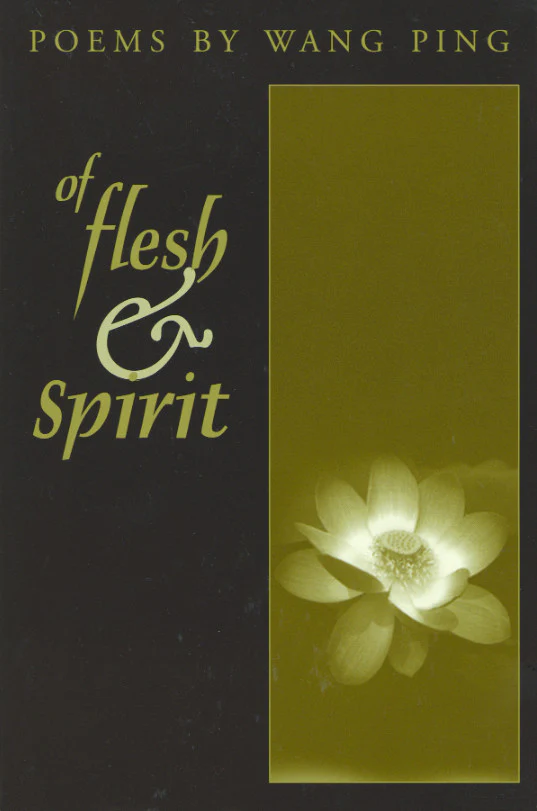
Wang Ping was born in Shanghai and grew up on a small island in the East China Sea. After three years spent farming in a mountain village commune, she attended Beijing University. In 1985 she left China to study in the United States, earning her PhD from New York University. She is the acclaimed author of the short story collection American Visa, the novel Foreign Devil, two poetry collections: Of Flesh & Spirit and The Magic Whip, and the cultural study Aching for Beauty: Footbinding in China.
Reviews
“Wang uses the first-person voice of a young woman named Seaweed to tell of the depredations of the People’s Revolution. . . . She has mastered a conversational tone that seems graceful and effortless.” —Kirkus
“In these moving, heartrending stories, told with amazing honesty, Wang Ping has captured the immigrant Chinese experience. Seaweed’s journey from the emotional and intellectual wasteland of China during the Cultural Revolution to the anonymity and despair of New York is truly memorable. Wang takes her character’s dreams and delusions and renders them with warmth and humor.” —Marry Morris
“American Visa is an astonishing piece of writing. Its direct unsentimental prose offers a portrait of Chinese family life and what is means to be a woman in China. As Seaweed moves from home, to a peasant village, to New York, we are moved by this record of suffering and persistence, of the desperate desire to move beyond the family and yet remain within it.” —Colin MacCabe, The British Film Institute
Product Information
Product Information
Shipping & Returns
Shipping & Returns
Description
Stories by Wang Ping
September 1, 1994 • 5.5 x 8.5 • 172 pages • 978-1-56689-025-0
Seaweed's story, from Maoist China to her New York emigration.
“In this first collection of 11 linked stories, the intimate drama of one traditional Chinese family plays against the larger backdrop of the Cultural Revolution. Wang’s determined, intelligent heroine, Seaweed, is the eldest daughter of a naval officer and a schoolteacher living near Shanghai. The family drudge at home, Seaweed’s hardships continue in a rural village where she undergoes ‘re-education’ by peasants as a prerequisite for college. Years later, after emigrating to New York, she tries to send for her sisters, to get them American visas. ‘The Story of Ju’ is a gripping, longer tale of how Seaweed’s promising student hangs herself rather than submit to a marriage arranged by her abusive stepfather. ‘Song of Four Seasons’ is a generous-spirited story of a mother and daughter revising their opinions of one another after many years. Although these are universal themes of sibling rivalry, mother-daughter conflict and love, the dilemma of an intelligent woman with limited opportunities, matchmaking, adultery, bodily shame, they are also distinctively Chinese, drawing on Chinese legends, language and customs. Wang, who holds degrees from both Chinese and American universities, writes simply in a conversational English that is remarkably effective whether she is writing about life in China or in New York.” —Publishers Weekly
About the Author
Wang Ping was born in Shanghai and grew up on a small island in the East China Sea. After three years spent farming in a mountain village commune, she attended Beijing University. In 1985 she left China to study in the United States, earning her PhD from New York University. She is the acclaimed author of the short story collection American Visa, the novel Foreign Devil, two poetry collections: Of Flesh & Spirit and The Magic Whip, and the cultural study Aching for Beauty: Footbinding in China.
Reviews
“Wang uses the first-person voice of a young woman named Seaweed to tell of the depredations of the People’s Revolution. . . . She has mastered a conversational tone that seems graceful and effortless.” —Kirkus
“In these moving, heartrending stories, told with amazing honesty, Wang Ping has captured the immigrant Chinese experience. Seaweed’s journey from the emotional and intellectual wasteland of China during the Cultural Revolution to the anonymity and despair of New York is truly memorable. Wang takes her character’s dreams and delusions and renders them with warmth and humor.” —Marry Morris
“American Visa is an astonishing piece of writing. Its direct unsentimental prose offers a portrait of Chinese family life and what is means to be a woman in China. As Seaweed moves from home, to a peasant village, to New York, we are moved by this record of suffering and persistence, of the desperate desire to move beyond the family and yet remain within it.” —Colin MacCabe, The British Film Institute